Explore Vital Tree Care Methods for Optimal Tree Care
Having knowledge of arboriculture is essential for maintaining a healthy environment. Key practices including mulching and trimming are vital factors in encouraging strong tree growth. Furthermore, correct irrigation methods are critical for root establishment. However, most people miss the signs of tree diseases and the value of professional arborists. Investigating these factors can lead to a deeper appreciation for arboriculture and trees. What steps can one take to make sure their trees flourish?
The Significance of Tree Well-being
Understanding the importance of tree health is vital, as trees are instrumental in preserving the ecosystem's equilibrium and making urban areas better. Healthy trees contribute to air quality, offer cooling shade, and support wildlife habitats. They also help mitigate climate change by sequestering carbon dioxide, making them essential for a sustainable environment.
In urban settings, healthy urban trees look better, raise the value of homes, and support public welfare. Trees help diminish city heating in cities, resulting in reduced utility bills.
Neglecting tree health, in contrast, can result in disease, pest infestations, and weakness in structure, posing risks to infrastructure and the trees themselves. Therefore, recognizing the indicators of tree health, like the color of the leaves, growth patterns, and the state of the bark, is essential for effective management. Ultimately, caring for vibrant trees benefits not just private yards but the wider ecological system, stressing the importance for proactive care and maintenance techniques.
Vital Trimming Practices
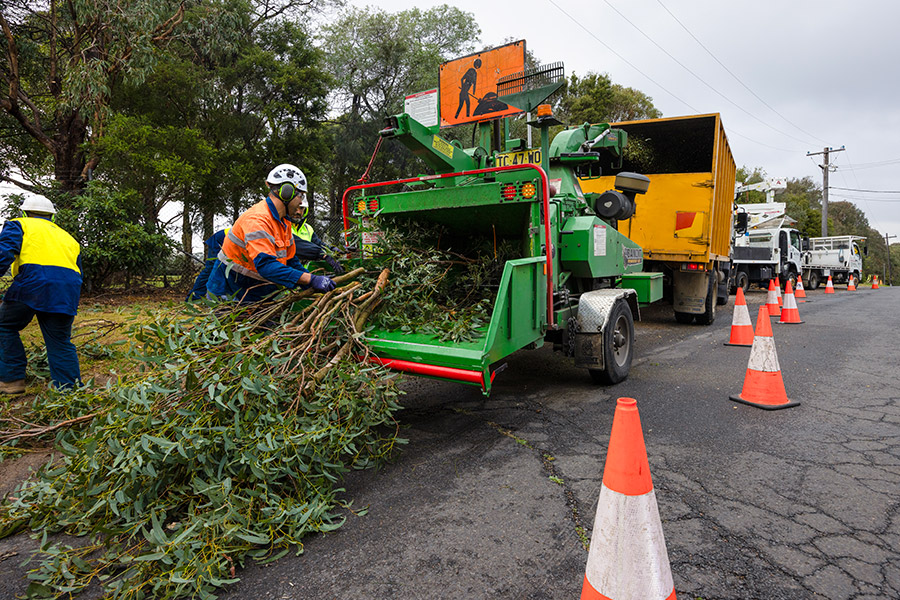
Pruning is an important practice in tree care that promotes strong growth and vitality, as it removes dead or diseased branches and improves air circulation within the canopy. Applying correct practices ensures the trees can thrive in their environment.
One fundamental technique is "thinning," which means taking off certain branches to allow more light through and decrease stress on weaker parts. 'Heading back' is a different technique, where the tips of branches are trimmed to encourage thicker growth, mainly in juvenile trees. Furthermore, the process of 'crown reduction' decreases the size and reach of a tree and retaining its natural structure.
When to prune is key; pruning during the dormant season minimizes stress and ensures faster recovery. Tools should be sharp and clean to prevent injury and the spread of pathogens. Understanding these important pruning techniques is necessary for all tree specialists aiming to maintain healthy and visually appealing trees.
Recognizing Typical Tree Ailments
How can tree owners recognize the indicators of typical illnesses that endanger their trees? Knowing the particular signs is vital for quick spotting and action. Common indicators include leaves that are yellowing or drooping, which may suggest fungal infections or a lack of necessary nutrients. Abnormal formations, like cankers or galls, may indicate insects are present or pathogens that compromise tree health. Additionally, peeling bark or oozing sap can be a sign of disease that need prompt care.
Tree owners should also observe alterations in the tree's form, including leaf drop or branch dieback, suggesting a deeper, more serious issue. Looking out for insect attacks, for instance, sawdust or bark holes, is just as critical. By staying watchful and taking action, tree owners can identify these common diseases and find suitable treatments, making sure their trees stay strong and lively throughout the seasons.
The Role of Mulching in Tree Care
Applying mulch is a vital method in tree care, giving various benefits which encourage strong development and resilience. This technique additional info requires placing a covering of organic or inorganic material surrounding the trunk, aiding in moisture retention, preventing weed growth, and moderating temperature fluctuations. This protective barrier not only reduces competition from unwanted vegetation but also boosts the visual appeal of the area.
Furthermore, natural mulching materials, for example, bark or chips, decompose over time, adding vital nutrients to the soil and improving its structure. This natural breakdown aids in root growth and promotes a better habitat for the plant. In addition, mulch application minimizes soil erosion, which helps maintain the stability of the tree’s foundation. When applied correctly mulch must be distributed in a circular pattern, keeping it away with the trunk to stop decay. In conclusion, incorporating mulching into tree care routines considerably contributes to the long-term health of trees.
Proper Watering Practices for Trees
Effective tree care requires not only mulching but also correct hydration methods to promote the best growth and health. Tree specimens, especially those recently planted, need consistent moisture to develop robust root structures. Deep watering is essential, as it encourages roots to grow downwards where moisture is steadier. Preferably, trees should receive about an inch of water per week, be it from precipitation or extra irrigation.
It is best to water at dawn to minimize water loss and fungal diseases. It is important to avoid overwatering, which can lead to root rot and further problems. Check the ground for moisture before watering; should the top two inches be arid, it’s time to water. Moreover, utilizing drip irrigation or drip irrigation delivers a gradual, continuous stream of water, guaranteeing trees are sufficiently hydrated without the risk of runoff. Effective hydration techniques greatly contribute to the overall health of trees.
Hiring Professional Tree Services: Reasons and Necessity
When assessing the condition and aesthetics of a property, engaging expert tree care can be crucial for homeowners with complicated tree maintenance requirements. Trained arborists hold the expertise to assess tree health, recognize pathogens, and implement effective treatments. Arborists are also aware of local regulations regarding tree removal and maintenance, guaranteeing compliance and preventing costly penalties
(Stillwater Tree Service)Homeowners should consider hiring professionals when dealing with big trees, specifically trees near homes or power lines, as improper handling can pose safety risks. In addition, trees requiring pruning for appearance or vitality profit from the expertise of trained specialists who can perform careful trimming to stimulate new growth
Routine seasonal work, such as preparing for storms and post-storm tidying, also require expert help to keep the property safe and appearance. As a result, using expert tree care providers guarantees that trees receive ideal care, which benefits greatly the overall landscape and property value
FAQs
What Are the Signs if My Tree Is Overwatered?
Overwatering often leads to chlorotic leaves, wilting despite moist soil, decaying roots, and excessive leaf drop. Additionally, the development of mold or fungus at the tree's base may indicate slow soil percolation and saturated soil.
What's the Optimal Season for Tree Pruning?
The ideal season for trimming is generally in the cold months before spring prior to bud break - Stillwater Tree Service. Scheduling the work then supports vigorous development and lessens the impact on the plant, enabling rapid wound closure and further growth
Is It Possible for Trees to Survive Major Storm Damage?

Absolutely, trees are capable of recovering from major storm damage. Given the right attention, such as pruning damaged limbs and ensuring sufficient hydration and feeding, many trees can regain their health and keep growing strong following a stressful event.
How Do I Choose the Right Mulch for My Trees?
To choose the right mulch for trees, it is best to use organic options like wood chips or bark, apply it to a depth of 2-4 inches, and keep mulch away from the tree collar to safeguard against rot.
Are Some Trees Higher Maintenance Than Others?
Certain trees, for instance, new plantings and orchard trees, need extra maintenance due to their sensitivity to environmental changes and specialized fertilization demands. Regular monitoring and tailored maintenance practices are vital for their condition and growth.